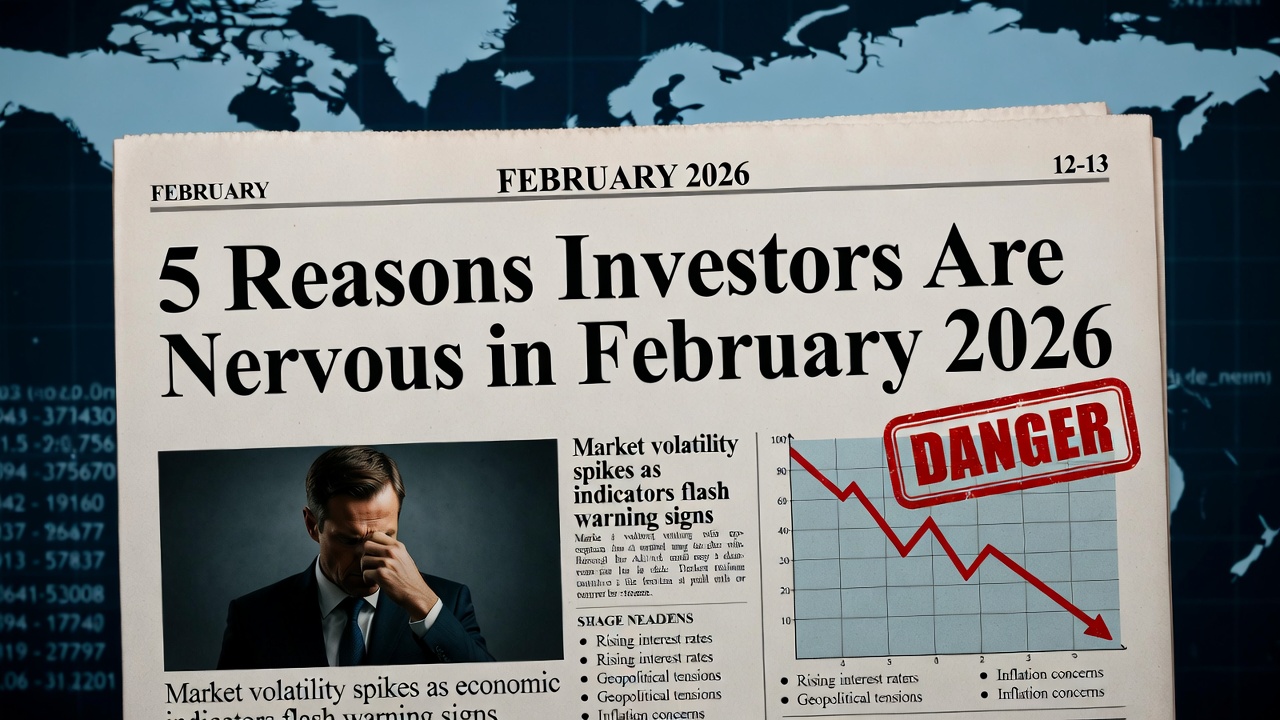

In today’s fast-changing world, investors around the globe are watching the markets closely. Indeed, several factors are making them uneasy. For instance, recent events show rising worries about technology and the economy. Moreover, these issues affect everyone from new investors to experts. Therefore, understanding them can help you make better choices. Additionally, this article breaks down five key reasons in simple terms.
First, artificial intelligence (AI) is shaking up the tech world. Specifically, big companies are spending huge amounts on AI projects. However, this massive spending raises questions about future profits. For example, Amazon plans to invest $200 billion in AI for 2026, which tests investor patience. Furthermore, AI tools are disrupting software firms by changing how businesses work. As a result, stocks in tech and software have dropped sharply. In addition, concerns about AI bubbles add to the tension. Thus, many investors fear a slowdown if returns do not match the hype.
Second, inflation is heating up again. Surprisingly, after a period of calm, prices are rising faster than expected. Consequently, this erodes buying power and affects company costs. Moreover, central banks may raise interest rates to fight it. For instance, recent data shows U.S. inflation not cooling as hoped. Additionally, higher inflation makes bonds less attractive and stocks riskier. Therefore, investors are nervous about their portfolios losing value. Besides, everyday people feel the pinch, which slows spending and hurts growth.
Third, geopolitical tensions are on the rise. Notably, issues between the U.S. and China continue to worry markets. Furthermore, political shifts in many countries add uncertainty. For example, extreme politics can lead to sudden policy changes. In addition, global events like trade wars impact supply chains. As a result, investors seek safe assets like gold, which has soared in price. However, this flight to safety shows broader fears. Thus, many are holding back on big investments until things stabilize.
Fourth, market volatility and concentration are big concerns. Interestingly, a few large stocks drive most gains in indexes like the S&P 500. Specifically, just four stocks account for half the rise, making the market fragile. Moreover, recent drops in tech shares highlight this risk. Additionally, weak labor data adds to the mix, with job growth slowing. For instance, U.S. reports show the economy cooling. Therefore, a dip in these key stocks could trigger wider sell-offs. Consequently, investors are diversifying to protect themselves.
Fifth, consumer confidence is falling fast. Surprisingly, people are less optimistic about the future. As a result, spending drops, which hurts businesses. For example, recent surveys show U.S. confidence at low levels not seen in years. Furthermore, this ties into other issues like inflation and job worries. Additionally, cryptocurrencies like Bitcoin are tumbling, signaling broader risk aversion. Thus, investors fear a recession if confidence stays low. However, some see opportunities in undervalued assets during these times.
In summary, these five reasons explain why investors are nervous now. Nevertheless, markets have bounced back before. Therefore, staying informed and patient is key. Moreover, consulting experts can help navigate these challenges. Finally, remember that investing involves risks, but knowledge reduces them.