Key Points:
- Research suggests that gaming coins, like those in popular games, may expose children to money laundering risks, as criminals often use these virtual currencies to hide illegal funds.
- However, not all experts agree on the scale, and some highlight that with proper parental controls, these risks can be reduced.
- It seems likely that children, being easy targets, could unknowingly help in laundering through in-game trades, leading to potential legal and emotional issues.
- Moreover, evidence leans toward the need for better regulations, but the gaming industry argues for self-monitoring to protect young players.
Understanding Gaming Coins
First, gaming coins are virtual money used in games like Roblox or Fortnite. For example, kids buy items with Robux or V-Bucks. Additionally, these coins make games fun but can hide real costs.
Risks Involved
Furthermore, criminals buy coins with stolen cards and sell them via kids’ accounts. As a result, children might face account freezes or scams. In addition, reports show emotional harm from feeling tricked.
Ways to Stay Safe
Therefore, parents should watch spending and talk about online dangers. Also, use controls to limit buys.
Exploring the Dangers: Gaming Coins and Children’s Exposure to Money Laundering
In today’s digital world, video games are more than just play. They include virtual economies with gaming coins that kids love. But, are these putting children at risk of money laundering? Let’s look deeper.
What Are Gaming Coins and How Do They Work?
Gaming coins, such as Robux in Roblox or V-Bucks in Fortnite, let players buy virtual items like skins or tools. Moreover, these coins are bought with real money, often through small payments called microtransactions. However, the exchange rates can confuse users, hiding the true cost. As a result, kids might spend more without knowing. Additionally, some games use loot boxes, which are like gambling, adding to the appeal but also the risks.
How Money Laundering Sneaks In
Criminals see gaming as a way to clean dirty money. For instance, they use stolen credit cards to buy coins in bulk. Then, they trade or sell these through kids’ accounts on platforms like Discord. Furthermore, this follows steps: place illegal funds, layer them in virtual items, and integrate by selling for clean cash. In addition, the market is huge, worth $85 billion, making it attractive for scams. However, kids often don’t realize they’re involved, thinking it’s just easy money.
Why Children Are at Higher Risk
Children are easy targets because they trust offers of free items or cash. Moreover, syndicates recruit them via forums, promising commissions. As a consequence, kids could face frozen accounts or legal trouble, even if unaware. Additionally, emotional harm comes from guilt and fear. Furthermore, games collect data on kids, which can lead to more targeting.
| Risk Type | Description | Examples |
|---|---|---|
| Financial | Loss from scams or hidden costs | Unexpected charges on cards |
| Legal | Unknowing involvement in crime | Accounts used for laundering |
| Emotional | Stress from being tricked | Guilt after realizing scam |
| Data Privacy | Personal info exploited | Surveillance in games |
Counter Views and Regulations
On the other hand, some say risks are low with parental controls. Nevertheless, reports show gaming lacks strong rules, unlike banks. Therefore, experts call for better oversight. In addition, groups like Europol note crypto’s role in crimes, including child exploitation. However, not all gaming coins link directly to crypto, but the lines blur.
Tips for Parents and Guardians
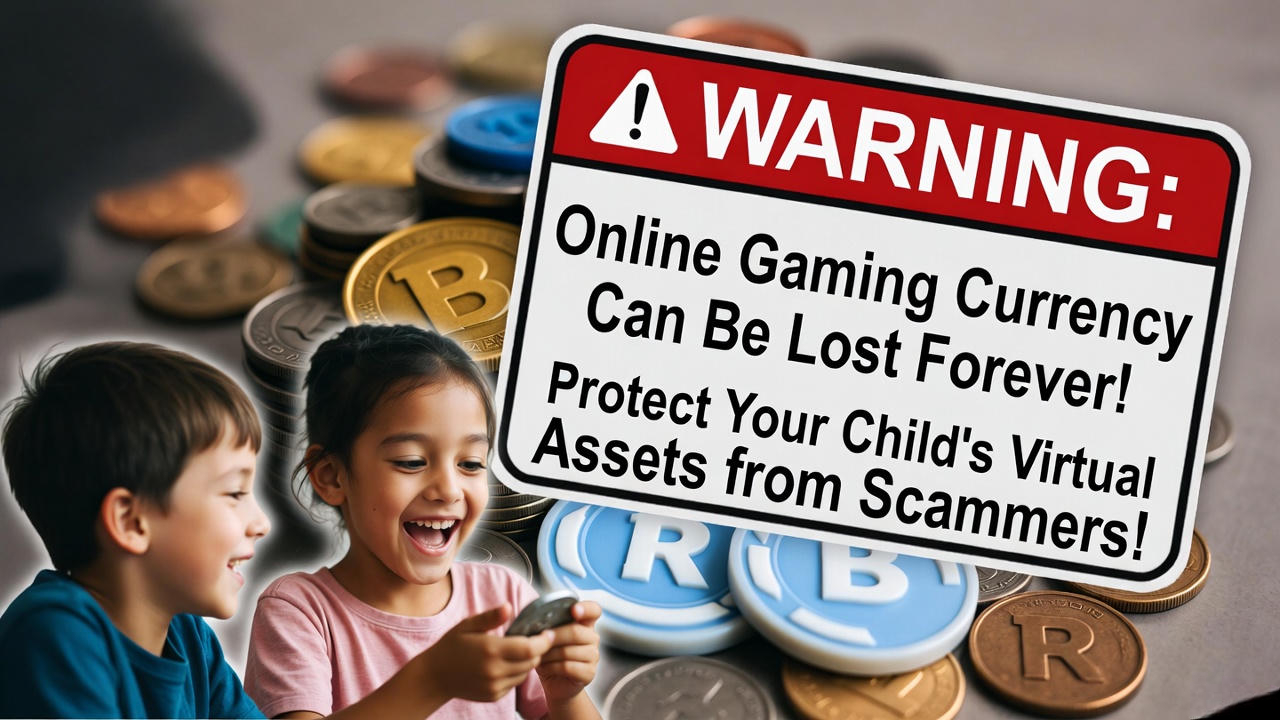
To protect kids, monitor accounts and set limits. Also, teach about scams and encourage open talks. Furthermore, use gift cards instead of linking bank details. As a result, children can enjoy games safely.
In conclusion, while gaming coins bring fun, they carry real risks of money laundering for children. Therefore, awareness and action are key.
Key Citations: