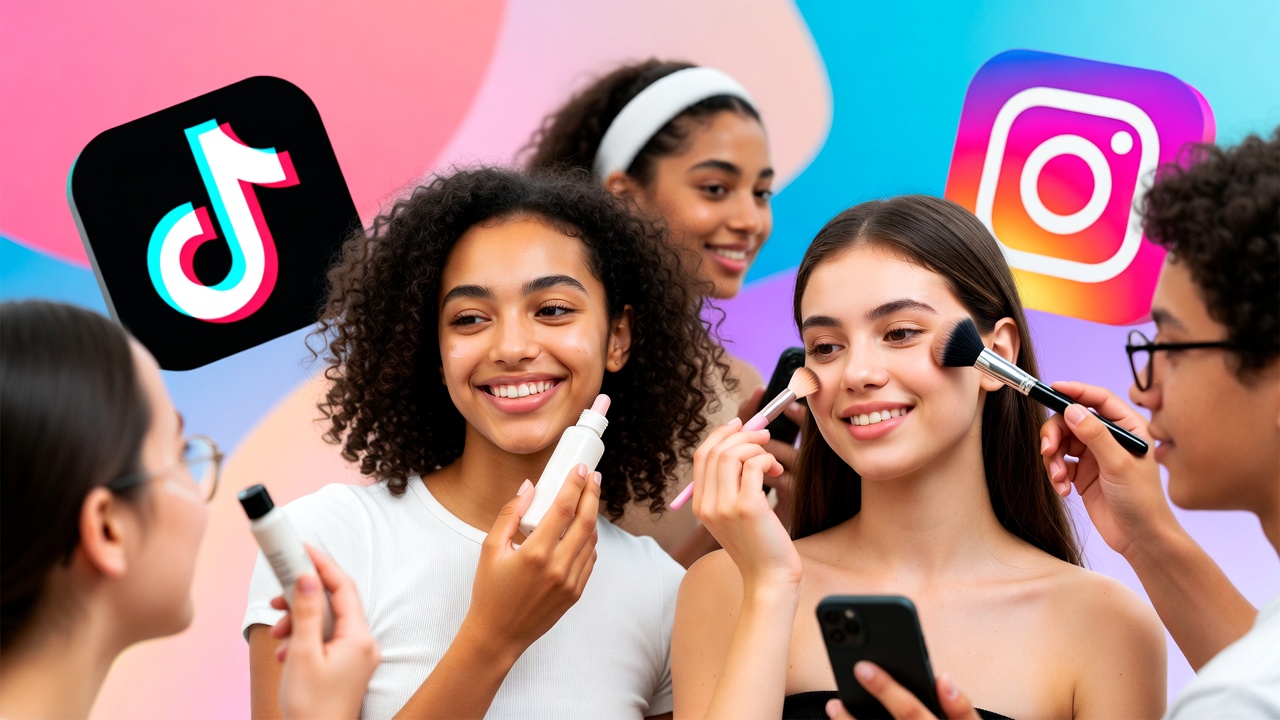

Why These Generations Matter
First, Gen Z, born from 1997 to 2012, and Gen Alpha, from 2013 onward, are big spenders in beauty. For example, they boost sales in skincare and fragrance. Additionally, their habits shape how brands sell products.
Main Trends They Drive
Moreover, authenticity is crucial. These groups prefer honest stories. Therefore, brands use influencers for real talks. In addition, social platforms like TikTok help spread trends fast.
Tips for Brands
Furthermore, focus on fun and learning. For instance, make products playful. Also, use tech for custom experiences. This way, brands build strong bonds.
Young people today are changing how beauty companies sell their goods. Gen Z and Gen Alpha lead this shift with fresh ideas and high hopes. This report looks at their impact, backed by facts from trusted sources. It covers trends, plans, and what comes next. We use simple words for clear reading. Tables show key data to help understand.
Who Are Gen Z and Gen Alpha?
To start, Gen Z includes those born between 1997 and 2012. They grew up with the internet and care about real life issues. Next, Gen Alpha, born from 2013 to 2025, is even more tech-savvy. They learn from videos and friends online. For example, many Gen Alpha kids start skincare young, inspired by stars on TikTok. However, this can lead to using wrong products, so brands must guide them right.
Moreover, these groups want more than just items. They seek stories that match their values. Therefore, authenticity tops the list. Brands like Tree Hut use fun, shareable content to connect. In addition, participation matters. Young users like to join in, such as giving feedback or making videos. This builds a two-way bond.
Additionally, social media is key. TikTok leads with short clips and shops. For instance, brands post behind-the-scenes to grab attention. Furthermore, influencers help spread the word. Sincerely Yours teams with young stars like Salish Matter for honest posts. As a result, sales jump quick.
Also, sustainability draws them in. Gen Alpha cares about the planet. They pick clean, green products. Moreover, inclusivity is big. They want brands for all skin types and genders. For example, Fenty Beauty sets the bar with many shades. Therefore, companies must show diverse faces in ads.
Now, let’s look at strategies. First, personalization wins. Use AI for custom tips, like virtual try-ons. In addition, make things fun. Brands create playful items, such as pudding-like gloss from fwee. However, education is vital for kids. Teach safe skincare through games or videos.
Furthermore, experiential marketing helps. Gen Alpha turns buys into events, like mask parties at sleepovers. Also, Gen Z likes store trips with friends to test goods. As such, brands mix online and real-world fun.
| Generation | Key Values | Preferred Platforms | Spending Impact |
|---|---|---|---|
| Gen Z | Authenticity, Inclusivity | TikTok, Instagram | Drives 40% skincare revenue |
| Gen Alpha | Sustainability, Fun | YouTube, TikTok | Boosts sales by 23% YoY |
This table shows main traits. It helps brands plan better.
In the future, these trends will grow. With Gen Alpha’s $5.5 trillion power by 2029, companies must adapt. Moreover, tech like AR will rise. However, balance fun with safety. Therefore, smart brands will thrive by listening to youth.
Key Citations
-
- Listrak’s Jamie Elden on How Younger Generations Are Changing the Beauty Marketing Game – WWD
- How Beauty Brands Are Marketing to Gen Alpha Consumers – Forbes
- After “Sephora Teens,” Skincare Brands Try a New Approach to Gen Z & Gen Alpha – BeautyMatter
- The Gen Z and Gen A Effect: How Younger Consumers Are Reshaping Beauty and Wellness – WWD