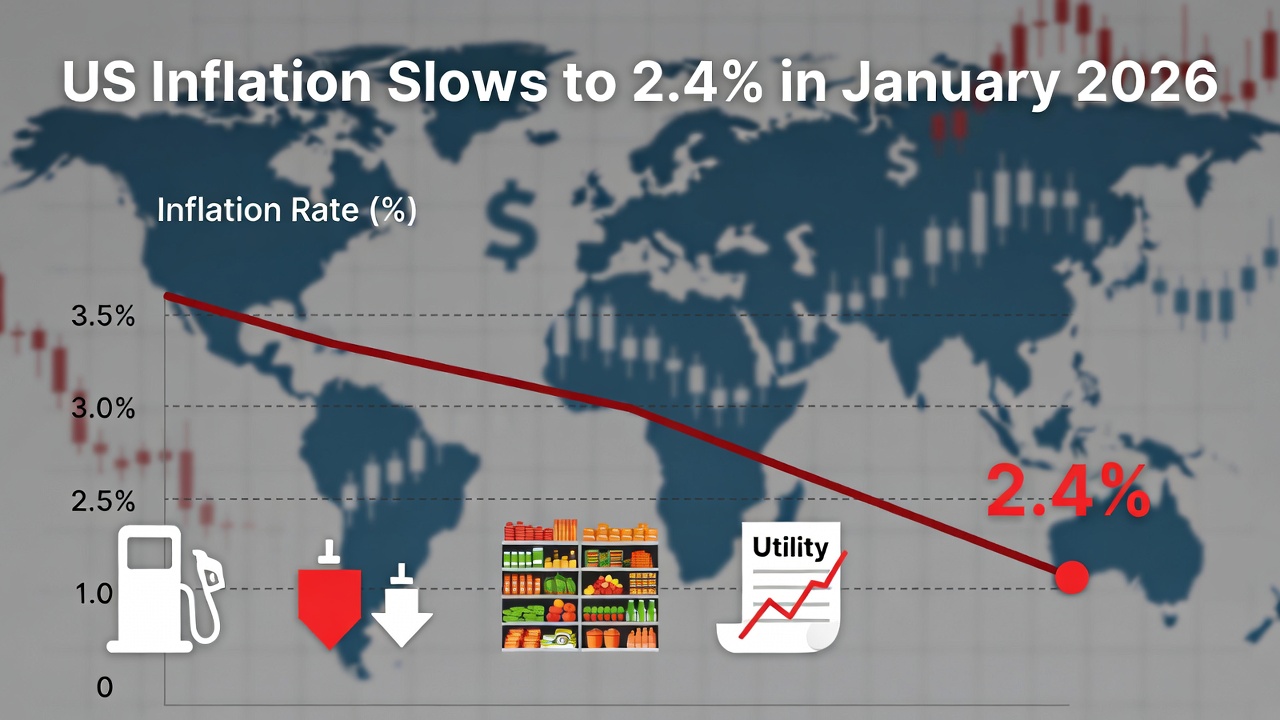

Good news arrived for many families this week. Inflation in the United States slowed in January. Prices rose at a gentler pace than before. However, some everyday costs stayed stubbornly high. This latest report brings a mix of hope and caution for shoppers around the world.
What the Latest CPI Data Reveals
The Consumer Price Index, or CPI, showed overall prices went up by 2.4 percent over the past 12 months. Moreover, this marks the lowest rate since last May. In addition, it came in below what experts had predicted. For example, many had expected 2.5 percent.
A Closer Look at Monthly Changes
On a month-to-month basis, prices rose by just 0.2 percent. Therefore, this slow climb offers some breathing room. However, core inflation, which skips food and energy, ticked up 0.3 percent. As a result, the yearly core rate eased to 2.5 percent.
Why Inflation Eased This Time
Several factors helped pull the numbers down. First, gasoline prices dropped sharply. In fact, they fell 7.5 percent from a year ago. Additionally, grocery costs grew more slowly than in recent months. For instance, food at home rose only 2.1 percent yearly.
In contrast, energy as a whole dipped 1.5 percent in January. Therefore, lower fuel costs at the pump gave many drivers a welcome break. Furthermore, a base effect from last year played a role. Prices had jumped more back then, so this January looked better by comparison.
Areas Where Prices Continue to Bite
Even so, not every cost cooled off. Shelter, which covers rent and home prices, still climbed 3 percent over the year. Moreover, utilities pushed higher too. Electricity rose 6.3 percent, while natural gas jumped nearly 10 percent.
For many families, these hits feel real. In addition, eating out became more expensive, with food away from home up 4 percent. Furthermore, travel costs stayed firm. Airline tickets, for example, soared 6.5 percent. As a result, vacations and daily commutes grew pricier for some.
How This Affects Everyday Life
These mixed signals matter a lot. On one hand, slower overall inflation eases pressure on budgets. Therefore, people may feel a bit more confident about spending. However, high costs in key areas like housing and power bills continue to strain lower- and middle-income households.
Around the globe, many watch the US economy closely. In addition, this report could influence interest rates and trade. For shoppers everywhere, the message is clear: progress is here, but the fight against rising prices is not over.
What Comes Next for the Economy
Experts say the Federal Reserve will likely hold rates steady for now. After all, inflation remains above the 2 percent target. Nevertheless, steady job growth and cooling prices point to a soft landing.
In the months ahead, watch for updates on rent and food. Moreover, new policies on trade could push some costs higher. Therefore, families should keep an eye on their spending plans.
Overall, January brought encouraging signs. However, the road to truly affordable living still has bumps. With careful steps, though, brighter days for wallets may lie ahead.
Sources: