
n today’s fast-paced world, managing money wisely is key to a secure future. However, many people struggle with saving and spending. Therefore, learning smart strategies can make a big difference. Additionally, changing how you think about money helps build good habits. So, let’s explore simple ways to handle your finances better.
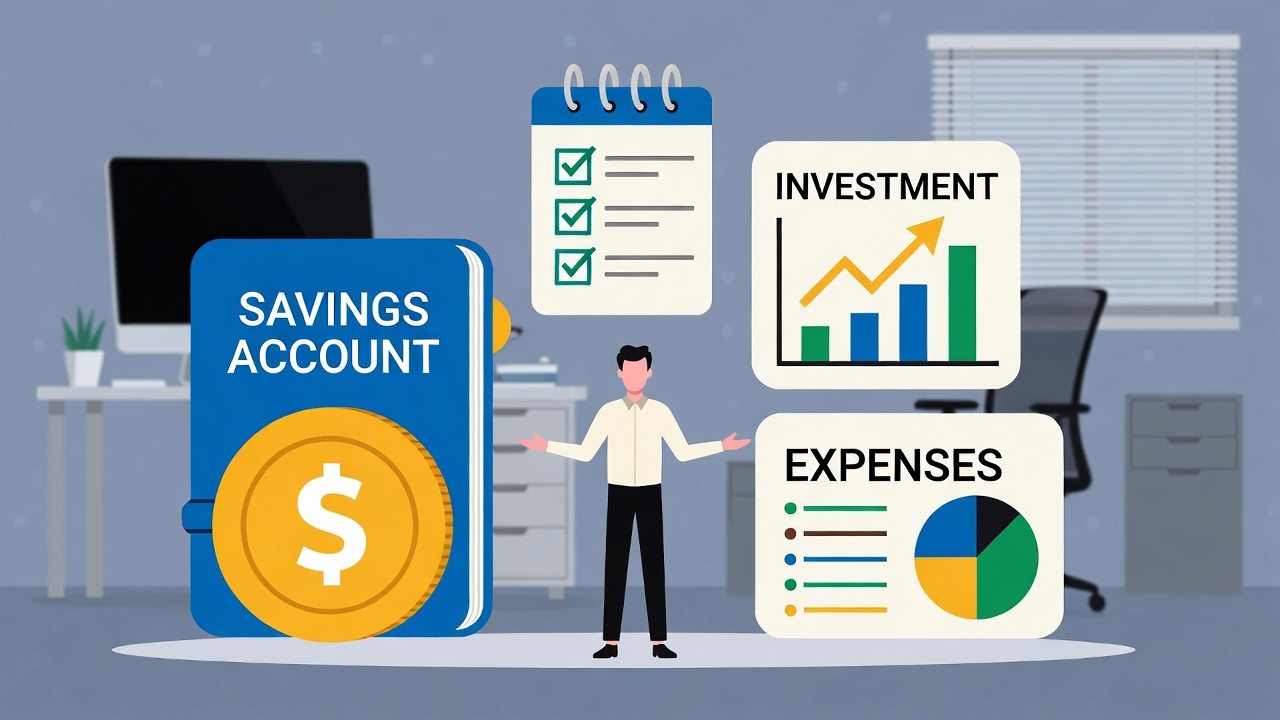
First, understand your income and expenses. For example, track what you earn and spend each month. Moreover, use apps or notebooks to log everything. As a result, you see where your money goes. Then, cut unnecessary costs like eating out too often. Instead, cook at home to save more.
Saving Money the Smart Way
Saving starts with small steps. To begin with, set clear goals, such as buying a house or retiring comfortably. Furthermore, aim to save 20% of your income each month. However, if that’s hard, start with 10%. In addition, open a savings account with good interest rates. Consequently, your money grows over time.
Another tip is to automate savings. For instance, set up transfers from your checking to savings account right after payday. Thus, you save without thinking about it. Besides, build an emergency fund for unexpected costs like car repairs. Ideally, cover three to six months of expenses. Therefore, you avoid debt during tough times.
Moreover, invest wisely. Once you have savings, consider stocks or mutual funds. But first, learn the basics to reduce risks. As such, your money works for you in the long run.
Spending Money Wisely
Spending smartly means getting value for your money. Initially, make a budget to guide your choices. For example, allocate funds for needs like rent and food first. Then, limit wants like gadgets or trips. Additionally, compare prices before buying. In fact, use discounts and sales to stretch your budget.
Furthermore, avoid impulse buys. When tempted, wait 24 hours before purchasing. Often, the urge fades. Similarly, use cash instead of cards to feel the spend more. As a result, you spend less overall.
Also, focus on quality over quantity. For instance, buy durable items that last longer, even if they cost more upfront. Therefore, you save in the end by replacing less often.
Changing How You Think About Money
Your mindset shapes your finances. To start, view money as a tool for freedom, not just for buying things. Moreover, learn from mistakes like overspending. Instead of regret, use them as lessons. Additionally, read books or listen to podcasts on personal finance. Consequently, you gain new ideas.
Furthermore, talk about money with family or friends. Often, sharing tips helps everyone improve. Besides, set long-term goals to stay motivated. For example, visualize a debt-free life. Thus, you make better daily choices.
In addition, practice gratitude for what you have. As such, you reduce the need to spend on unnecessary items. Finally, review your progress monthly. Therefore, adjust as needed to stay on track.
Managing money smartly leads to less stress and more opportunities. By saving, spending wisely, and shifting your mindset, you build a strong financial foundation. Remember, consistency is key. So, start today for a brighter tomorrow.