
Why These Strategies Matter
These seven strategies, drawn from reliable sources, offer a simple path forward. First, they focus on people. Next, they stress quality. Additionally, they include tools like SEO. Moreover, they encourage sharing widely. Furthermore, they save effort through reuse. Also, they make things personal. Finally, they rely on data to improve.
Quick Tips to Start
Begin small. For example, survey your audience. Then, plan a few posts. Use free tools for SEO. Share on platforms you know. Repurpose old work. Tailor messages. Track views and likes. This way, you grow step by step.
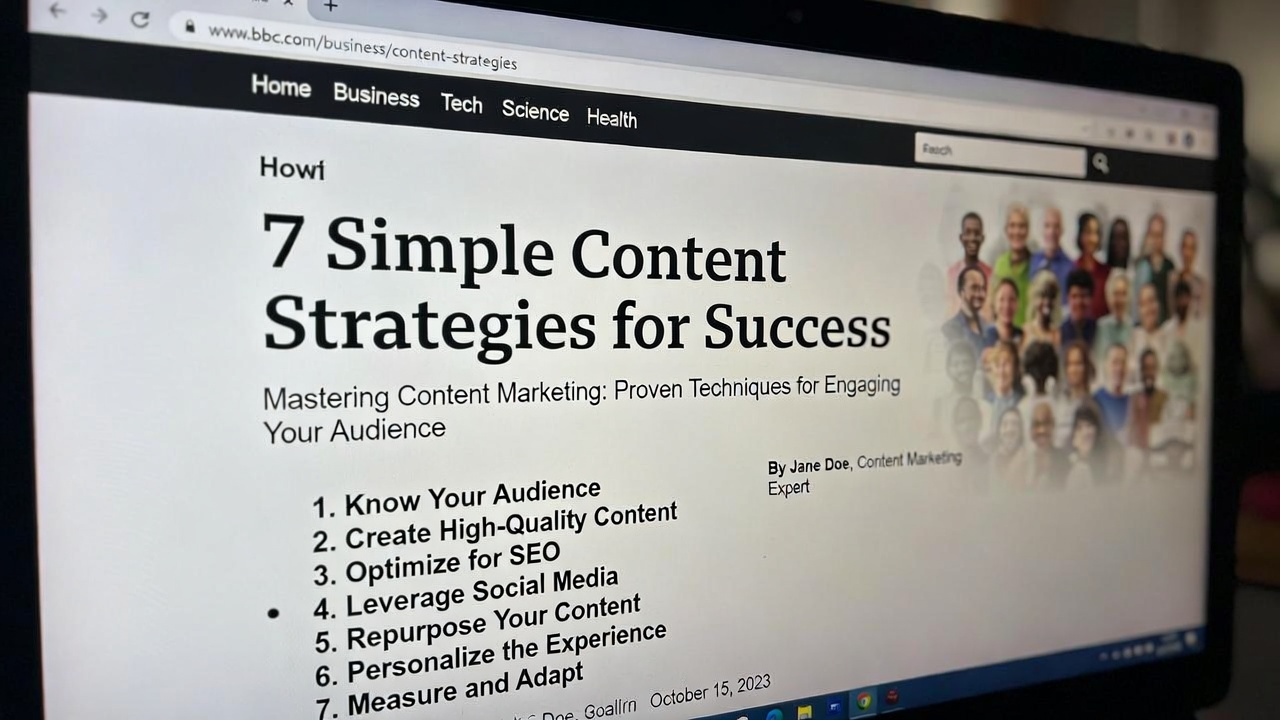
In marketing, getting ahead means using smart content strategies that connect with people and drive growth. Research from industry experts shows that a good plan can boost engagement and returns. However, success starts with basics like understanding needs and measuring results. Below, we explore seven key strategies in detail, based on insights from top blogs and guides. These tips use simple steps to help anyone improve their approach. Moreover, they adapt to global audiences, focusing on clear, helpful ideas.
First, know your audience deeply. Begin by researching what people want and need. For instance, ask questions through surveys or social media. This builds trust and makes content relevant. Additionally, it helps avoid waste. Sources like Siteimprove stress this as a foundation for engagement. Therefore, tailor your work to solve real problems.
Second, create high-quality, valuable content. Focus on useful information rather than just sales. Write blogs, make videos, or share tips that educate. Moreover, keep it short and easy to read. Hurree’s guide notes that educational content inspires trust. However, quality over quantity matters most. So, aim for pieces that answer common questions.
Third, optimize for SEO. Use keywords that people search for. Include them in titles and text naturally. Furthermore, make sure your site loads fast. This improves rankings on search engines. As per multiple strategies, SEO drives free traffic. Therefore, tools like Google can help check performance.
Fourth, leverage social media. Post regularly with stories, behind-the-scenes, or how-tos. Engage by replying to comments. Additionally, use platforms like Instagram or X for reach. Experts from Webfor suggest this builds community. However, stay authentic to avoid backlash. So, plan posts ahead.
Fifth, repurpose your content. Turn a blog into a video or social thread. This saves time and reaches more people. Moreover, it boosts ROI without extra work. Content from Hurree highlights repurposing as key for efficiency. Therefore, start with your best pieces and adapt them.
Sixth, personalize experiences. Send tailored emails or suggest content based on past views. Use data to make it feel special. Furthermore, AI can help scale this. Siteimprove points out personalization turns broadcasts into conversations. However, respect privacy. So, get permission first.
Seventh, measure and adapt. Track views, shares, and sales. Use tools to see what works. Additionally, adjust based on data. This ensures ongoing improvement. Guides like those from Optimist emphasize metrics for success. Therefore, review monthly and tweak plans.
To compare, here’s a table of strategies and benefits:
| Strategy | Main Benefit | Example Tool |
|---|---|---|
| Know Audience | Builds Trust | Surveys |
| High-Quality Content | Attracts Loyalty | Blogs/Videos |
| SEO | Increases Visibility | Keyword Planners |
| Social Media | Expands Reach | Scheduling Apps |
| Repurpose | Saves Time | Editing Software |
| Personalize | Boosts Engagement | Email Platforms |
| Measure | Drives Improvement | Analytics Dashboards |
These strategies work together for better results. For example, combine SEO with repurposing for wider impact. However, start with one or two to avoid overload. Global readers appreciate this straightforward style, as it cuts through complexity. Moreover, it draws from proven methods without hype.
In depth, knowing your audience involves tools like analytics to spot trends. High-quality content means checking readability scores. SEO includes mobile optimization. Social media thrives on visuals. Repurposing extends life to assets. Personalization uses segments. Measuring ties to goals like ROI.
Overall, these steps future-proof your efforts. As markets change, adapt with AI and UX focus. This way, content becomes a growth engine.
Key Citations:
- Future-Proof Your Content Strategy | Siteimprove Blog
- 10 Effective Marketing Strategies For Business Growth
- 10 Proven Content Marketing Strategies for Business Success – Webfor
- How To Develop a Content Marketing Strategy That Works in 2025 | Optimist
- 15 content marketing tips to build a successful strategy