
Key Points
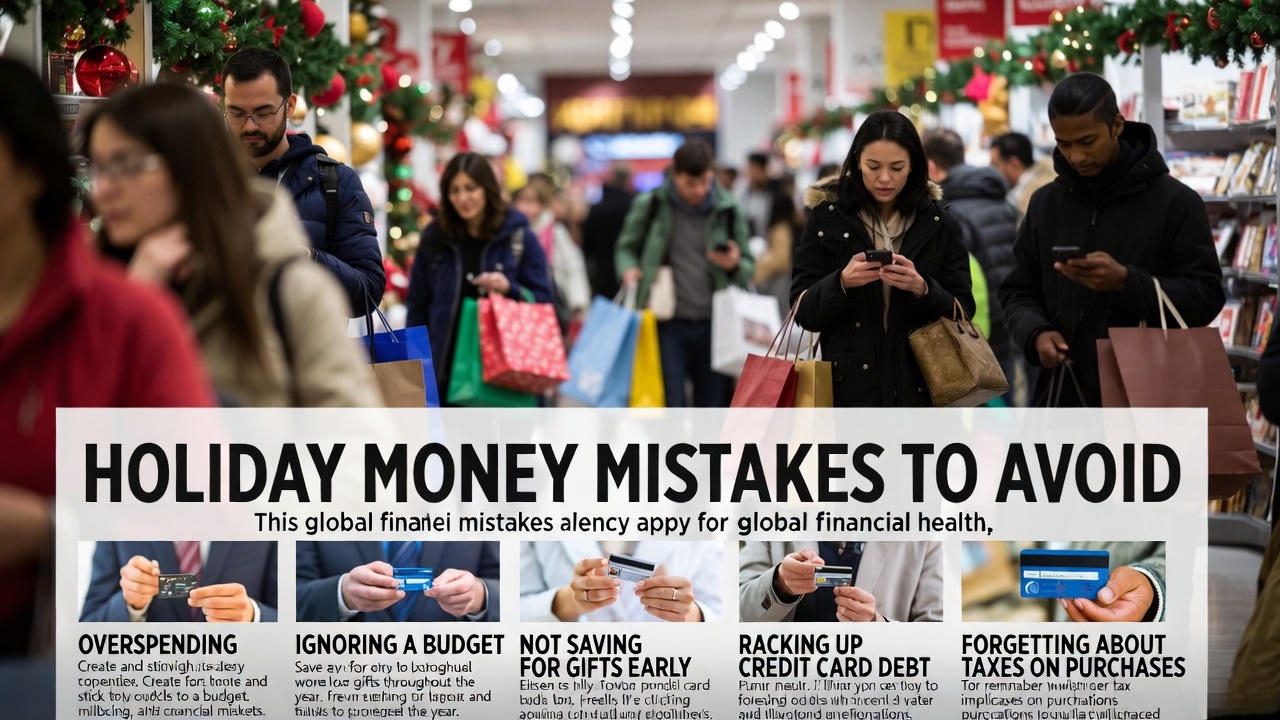
- Overspending is widespread: Research suggests that many people, about 36% in some studies, take on holiday debt averaging over $1,000 due to poor planning and impulse buys.
- Psychological traps play a big role: Emotional stress, marketing hype, and social pressures often lead to repeated mistakes, even when people know better.
- Global appeal in solutions: Simple steps like early budgeting can help anyone, anywhere, avoid these pitfalls and enjoy stress-free holidays.
- Controversy around credit use: While some see “buy now, pay later” as convenient, evidence leans toward it causing regret and long-term debt for over half of users.
Understanding the Holiday Spending Cycle
During holidays, excitement builds, but so do costs. First, people often forget to plan ahead. As a result, they spend more than they can afford. However, this cycle repeats yearly because daily life distracts from lessons learned. Additionally, family expectations add pressure, making it hard to say no.
For example, in many cultures, giving gifts shows love. Therefore, people buy expensive items to impress others. But this can lead to debt. Moreover, ads everywhere push “must-have” deals, tricking shoppers into extra purchases.
Common Mistakes and Why They Happen
One big error is not setting a budget. Without a clear limit, spending spirals. In fact, surveys show that waiting until the last minute causes panic buys at higher prices. Consequently, bills pile up in January.
Another mistake is falling for sales. Retailers create urgency with limited-time offers. Thus, buyers grab unneeded items. However, this “sale madness” wastes money, as people later regret it.
Additionally, overusing credit cards or “buy now, pay later” options is common. It feels easy at first, but high interest turns small buys into big debts. For instance, 42% of users miss payments, leading to fees. Therefore, many end up paying more overall.
Furthermore, self-splurging sneaks in. While shopping for others, people treat themselves. But this throws off the budget. Similarly, assuming gifts for everyone inflates costs unnecessarily.
Breaking the Habit
To stop this, start early. First, list all expenses like gifts, food, and travel. Then, set a realistic total. Moreover, compare prices online before buying. Also, consider homemade gifts or group exchanges to save.
In addition, track spending with apps. This way, you stay aware. Finally, remember: holidays are about time together, not stuff. So, focus on memories over money.
The holiday season brings joy, but it also sparks a familiar problem: money mistakes that people repeat year after year. Why does this happen? Let’s dive deeper into the reasons, backed by insights from financial experts and studies. This detailed look explores the psychology, cultural factors, and practical traps, offering a global perspective that resonates with readers from busy cities in Asia to small towns in Europe or America.
The Psychology Behind Repeated Mistakes
First, stress plays a huge part. Holidays mean deadlines for gifts, parties, and travel. As a result, people act on impulse rather than logic. For example, when tired from work, shoppers grab the first item they see, ignoring better deals. However, this leads to overpaying. Additionally, emotions like guilt or excitement cloud judgment. Therefore, even those who promise “I’ll budget this time” slip up.
Moreover, marketing tricks us. Ads say “limited stock” or “best deal ever,” creating fear of missing out. Consequently, buyers spend on extras. But studies show this “sale madness” causes regret for many. In fact, in the U.S., 36% end up with debt averaging $1,249. Similarly, worldwide, inflation makes costs rise, yet habits stay the same.
Furthermore, social pressure is universal. In cultures where generosity defines holidays, like Christmas in the West or Diwali in India, people feel obligated to give lavishly. Thus, they ignore their finances to avoid seeming stingy. However, this competitive spending—trying to outdo others—builds unnecessary debt.
Key Mistakes in Detail
One top error is no budget. Without planning, expenses for gifts, decor, food, and events add up fast. For instance, hidden costs like wrapping paper or shipping surprise many. Therefore, January brings shock. To illustrate, millennials often wait until late, leading to rushed buys.
Another is credit overuse. “Buy now, pay later” seems helpful, but 57% regret it due to fees and interest. Additionally, store cards with high rates tempt at checkout, impacting credit scores. As a result, small purchases become long-term burdens.
Moreover, delaying shopping causes issues. Waiting means higher prices and less choice. However, early planning lets you hunt deals. Similarly, self-indulgence sneaks in—buying for yourself while gifting. But this disrupts goals.
Furthermore, relying on bonuses is risky. They might not come, leaving you short. Instead, budget with what you have.
Global Variations and Solutions
Around the world, these mistakes vary. In developing countries, travel costs during festivals like Eid add extra strain. Yet, solutions are simple: Use apps for tracking, opt for potlucks, or draw names for gifts.
| Common Mistake | Why It Happens | Global Impact | Simple Fix |
|---|---|---|---|
| No Budget | Stress and distraction | Debt in 36% of cases | List expenses early |
| Credit Overuse | Easy access, marketing | Regret for 57% | Pay cash when possible |
| Impulse Sales | Urgency tactics | Wasted money worldwide | Wait 7 days before buying |
| Self-Splurging | Emotional shopping | Budget derailment | Stick to gift lists only |
| Late Shopping | Procrastination | Higher costs | Start in October |
In conclusion, people repeat holiday money mistakes because habits, emotions, and pressures override logic. But with awareness, anyone can break free for happier seasons.
Key Citations: